Let’s get real — can saline tattoo removal cause scarring? This is one of the most common questions I get asked at Face Figurati in Melbourne. And fair enough! Your skin is precious, and if you’re dealing with unwanted pigment from an old brow tattoo, cosmetic procedure or even a botched body ink job, the last thing you want is permanent damage from trying to fix it.
I’m Olha Po, a certified cosmetic tattooist and the founder of Face Figurati. I’ve seen all sorts of skin and every kind of tattoo regret walk through my studio door. And let me tell you now: when done properly, saline tattoo removal should not cause scarring. But that little phrase “when done properly”? It’s doing a LOT of heavy lifting.
Contents
- 1 The Real Reason Tattoo Removal Gets a Bad Rap
- 2 How it Works (Without the Fluff)
- 3 Timeline of What to Expect
- 4 Not All Skin Is The Same
- 5 The Truth About Scarring: Risks vs Reality
- 6 Aftercare: Where Most People Go Wrong
- 7 Real Results: What My Clients Say
- 8 When Is Saline NOT the Right Option?
- 9 Scarring Is Avoidable — With the Right Artist
- 10 FAQ
The Real Reason Tattoo Removal Gets a Bad Rap
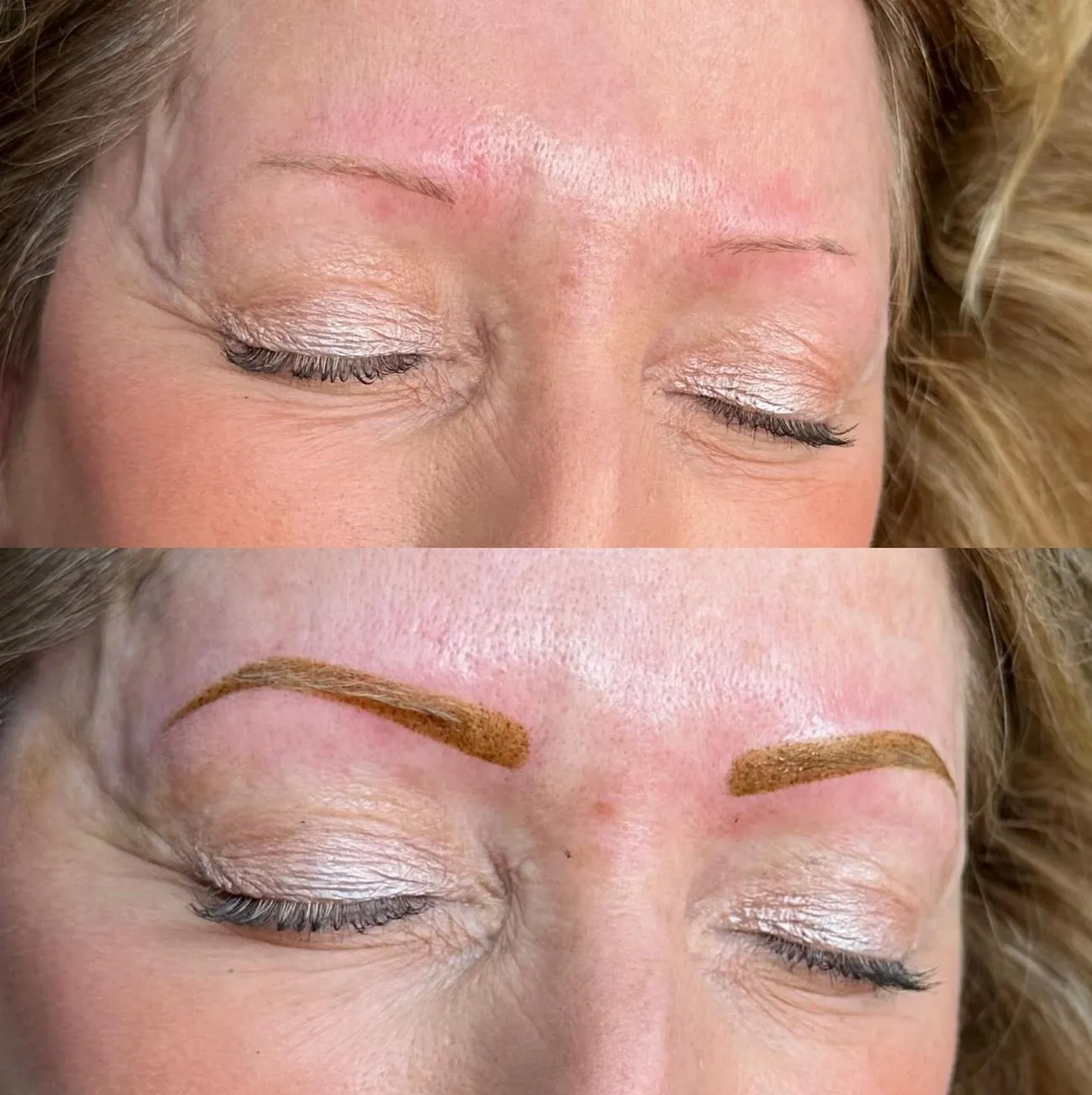
The technique itself isn’t the problem — it’s who’s holding the machine. Just like cosmetic tattooing, tattoo removal requires precision, experience and a deep understanding of skin anatomy. When I do saline removal at Cosmetic Tattoo Studio Melbourne Face Figurati, I tailor every treatment to your skin type, pigment depth and healing history.
Scarring usually happens when:
- The artist uses incorrect pressure or technique
- There’s overworking of the skin (common with machine-based methods or tattoo removal guns)
- Aftercare instructions aren’t followed properly
- The skin is already compromised or prone to keloid formation
In contrast, when done gently and strategically, saline removal can lift tattoo ink with minimal trauma — often with better long-term skin outcomes than laser tattoo removal.
How it Works (Without the Fluff)
Saline removal isn’t magic, but it’s pretty clever. We use a tattoo machine, microblading pens or a manual tool to implant a high-grade saline solution into the skin. This solution draws the unwanted pigment up and out through the healing process — like coaxing ink particles to the surface. The body then forms a light scab, which carries some of the pigment out as it flakes away.
Timeline of What to Expect
| Phase | What Happens |
|---|---|
| Day 1-3 | Skin feels tender, looks slightly red or puffy |
| Day 3-7 | A thin, dry scab forms over the treated area |
| Day 7-14 | Scabs flake off (don’t pick them!) |
| Week 3-6 | Skin regenerates underneath |
| Week 6-8+ | Follow-up or additional sessions if required |
At Cosmetic Tattoo Studio Melbourne Face Figurati, we space sessions at least 6–8 weeks apart to protect your skin integrity and avoid unnecessary trauma. This gives your immune system time to help with lightening of pigmentation without causing long-term side effects.
Not All Skin Is The Same
This is where experience really matters. Some skin types are more reactive or slower to heal — especially:
- Fitzpatrick types 4–6 (medium to deep skin pigmentation)
- Mature skin with reduced elasticity
- Skin with previous scarring or aggressive laser removal
- Oily skin that can’t hold scabs
That’s why I always do an in-depth consultation, patch test and review of your skin history. No assumptions. No rushing.
The Truth About Scarring: Risks vs Reality
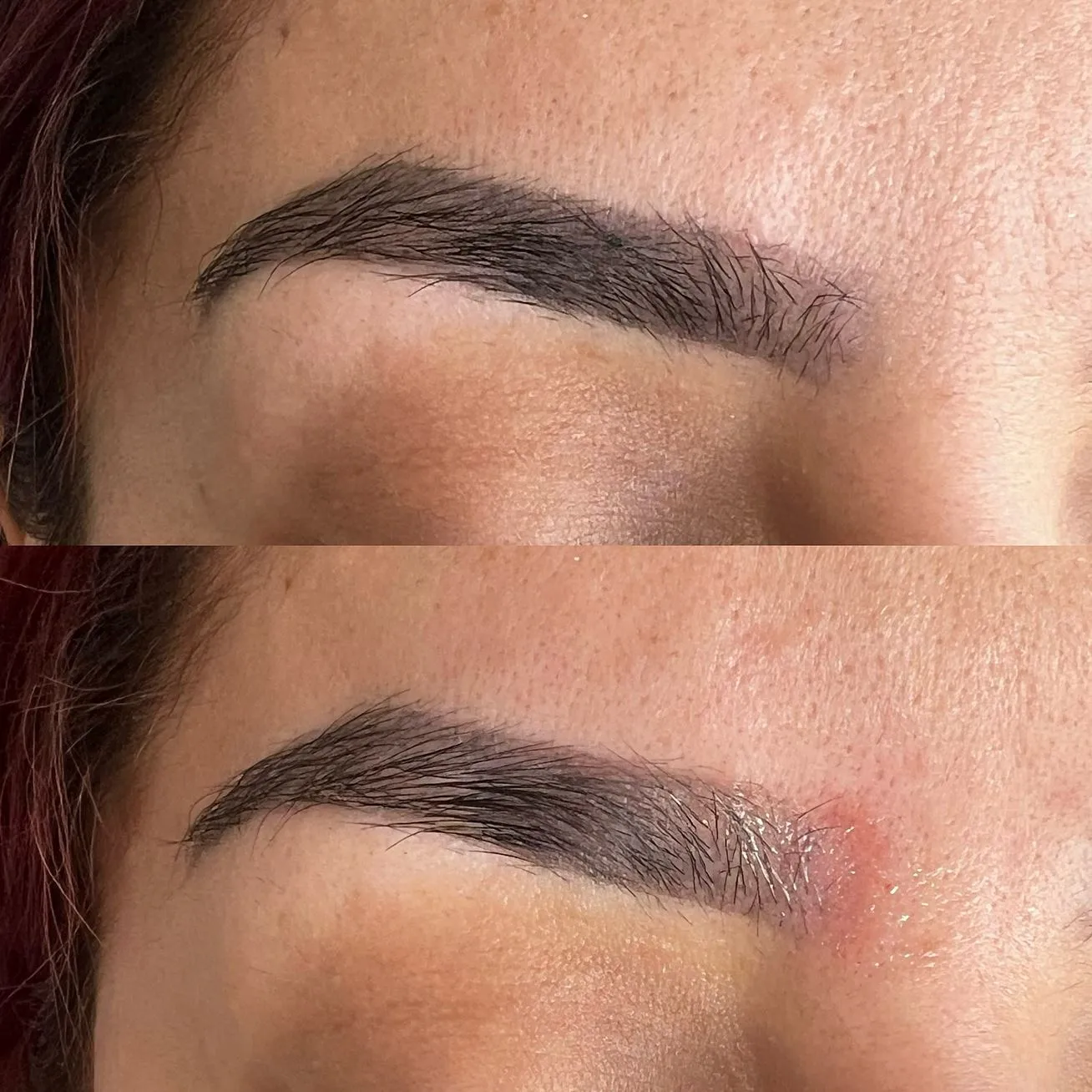
Can saline tattoo removal cause scarring? Yes — but it’s not the norm. Scarring can occur from:
- Repeated trauma to the same area
- Picking or peeling scabs prematurely
- Underlying skin conditions (eczema, dermatitis, etc.)
- Hyper- or hypopigmentation following inflammation
The actual percentage of clients who develop scar tissue after professional saline removal is very low, especially when:
- A licensed, trained technician does the removal
- Aftercare cream and instructions are followed strictly
- Sessions are spaced correctly
In my Melbourne studio, I’ve seen hundreds of clients walk out with beautifully healed skin and dramatically faded pigment — no visible permanent damage in sight.
Aftercare: Where Most People Go Wrong
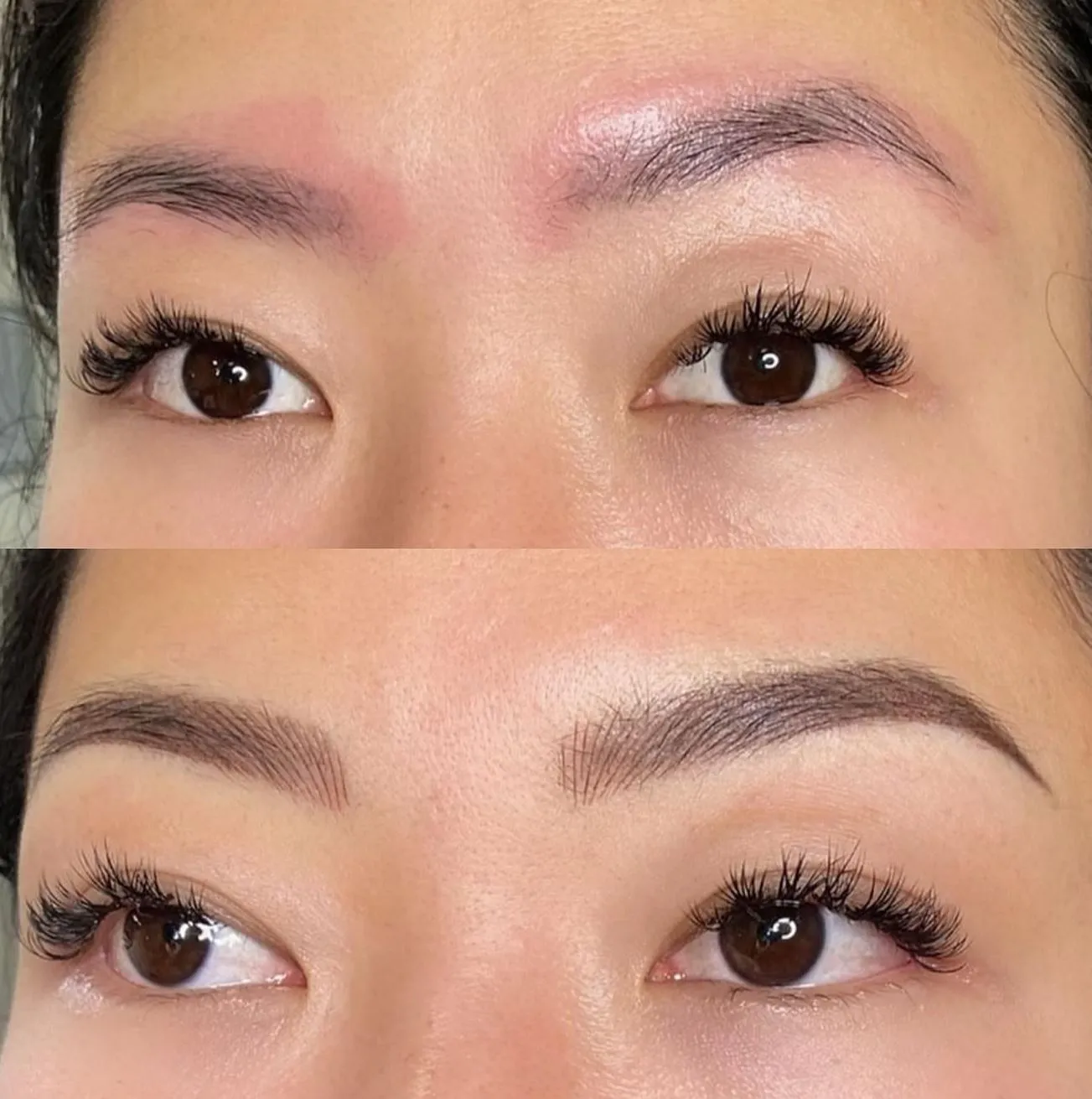
Even the best saline removal can go wrong if the aftercare is ignored. Here’s what I send home with every Cosmetic Tattoo Studio Melbourne Face Figurati client:
Do’s:
- Keep the area clean and dry for 48 hours
- Apply the provided aftercare balm or aftercare cream sparingly
- Let the scabs fall off naturally
- Use sun protection (SPF 30+)
- Sleep on a clean pillowcase
Don’t:
- No makeup wipes, skincare products or cosmetic tattoos on the area for 10 days
- No workouts, swimming or saunas for 7 days
- Don’t scratch or pick (even if it’s itchy!)
- Avoid active ingredients like retinol and AHAs near the area
Following these steps reduces your risk of skin irritation, infection and pigment rebound.
Real Results: What My Clients Say
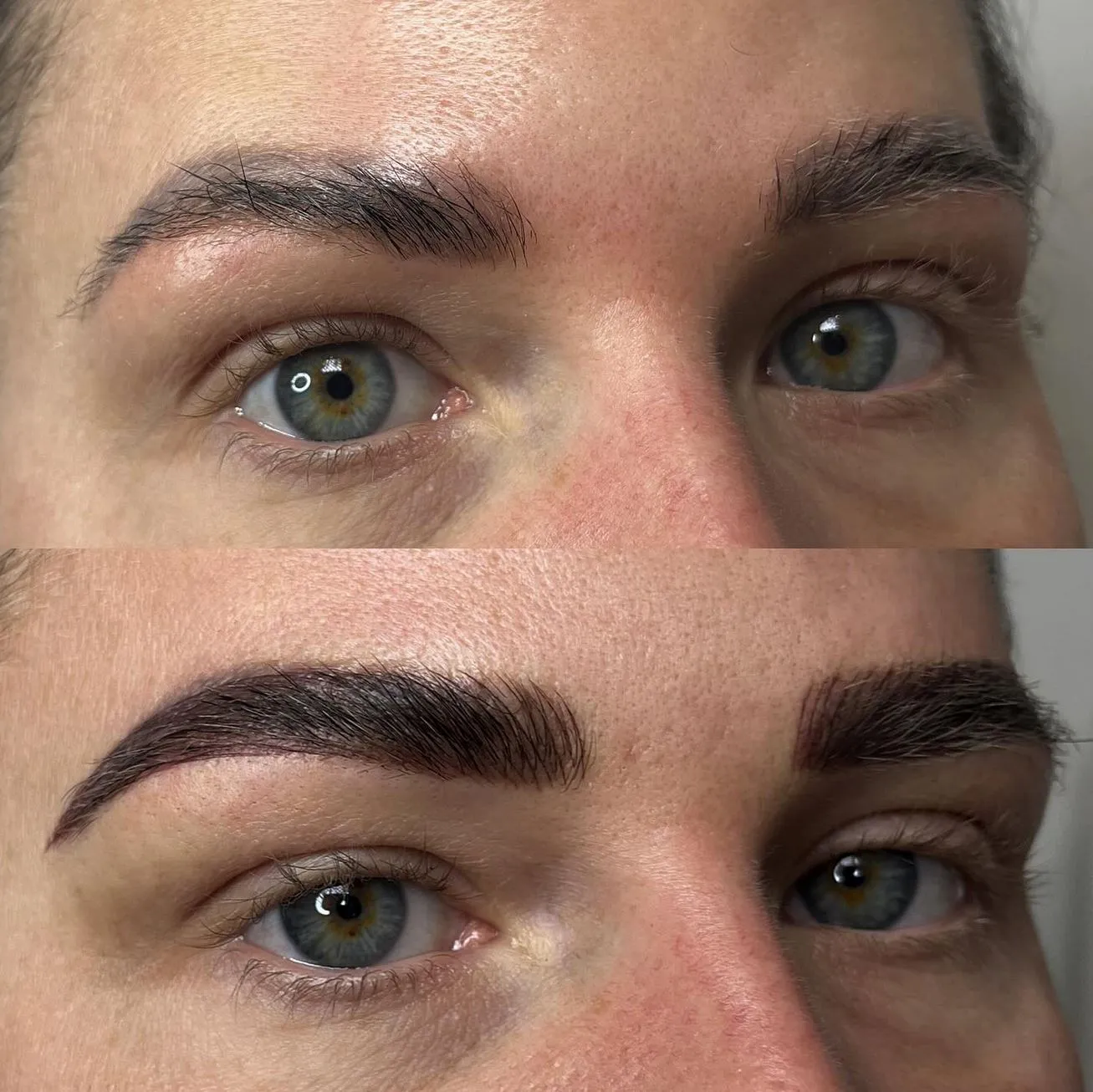
I recently treated a client with old blue-grey eyebrow tattoo ink from a 10-year-old procedure. We did three saline sessions over 5 months. Her brows faded beautifully, her skin healed seamlessly, and she later had a fresh permanent makeup tattoo done in a softer, more natural style.
Another client came in with an over-saturated lip blush that had turned too dark for her liking. We did 2 saline sessions and plenty of healing time, and her natural lip tone returned, and we left it at that – no re-tattooing needed.
When Is Saline NOT the Right Option?
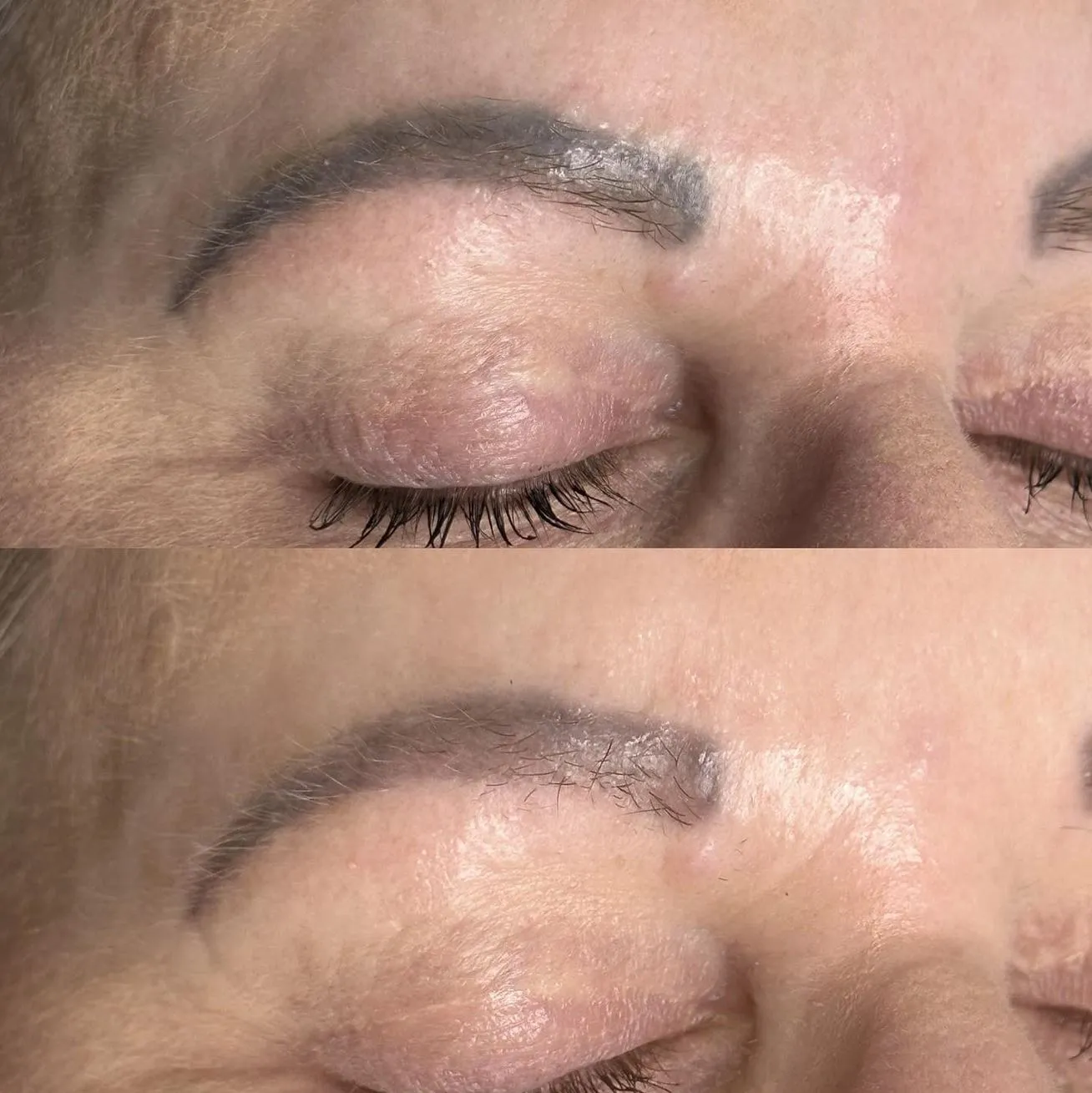
It’s not for everyone. I won’t recommend saline removal if:
- You have an active skin infection or compromised barrier
- You’re prone to raised or keloid scarring
- You’re on medications like Roaccutane or strong steroids
- You have unrealistic expectations (this is a lightening process, not an eraser)
Laser tattoo removal may be better in some cases – especially for ink with titanium dioxide or radiation tattoos. But again, this depends on your skin type, pigment composition and tattoo location. That’s why every treatment plan at Cosmetic Tattoo Studio Melbourne Face Figurati is 100% customised.
Scarring Is Avoidable — With the Right Artist
If you take away one thing from this article, let it be this: Saline tattoo removal is safe when done right. Don’t let scary internet photos or horror stories from overseas clinics deter you.
In the hands of an experienced, certified artist – one who understands pigment migration, laser technology vs saline, skin trauma and healing timelines – tattoo removal is a gentle, skin-friendly way to undo past cosmetic tattoos and reclaim your natural features.
Want to chat about whether it’s right for you? Pop into Cosmetic Tattoo Studio Melbourne Face Figurati during staffed hours or send through your photos for a virtual consult. I’m always happy to help you make the safest call for your skin.
FAQ
Does scarring happen after saline tattoo removal?
No — rarely when done correctly and with proper aftercare. Most clients heal with no visible marks or scarring.
Can saline remove bad microblading?
Yes. Saline is great for fading or removing botched brows, especially those with incorrect pigment placement, skin type mismatch or discoloured permanent makeup pigments.
Is it more painful than tattooing?
A little stingy, but usually less than getting the original tattoo. I use a topical anesthetic and numbing cream for comfort.
How many sessions will I need?
Depends on pigment depth, colour and your skin’s immune response. Most clients need 2-4 sessions for optimal ink particle reduction.
Can I get another cosmetic tattoo after saline removal?
Yes — once fully healed. In fact, many of my clients book a fresh brow or lip tattoo after their unwanted pigment has been removed.