You can’t just toss a snorkel into the ocean without hitting someone debating the Great Barrier Reef versus the Seychelles – both being world-class destinations that feel like paradise – but which feels better to visit? I’ve done both – one with a head full of salty hair and a backside full of reef rash, the other with a liberal slathering of coconut oil and a Creole curry that tweaked my taste buds in all the right ways. And let me tell you, they’re two entirely different worlds in terms of vibe, even if both promise stunning turquoise waters, sea turtles lazily gliding by, and coral gardens teeming with life.
Contents
- 1 The Reef or the Islands: My Honest Two Cents
- 2 The Reef Experience: Aussie as it gets
- 3 Seychelles: Smooth Sailing in the Indian Ocean
- 4 The Feel Factor: Adventure vs Ease
- 5 Sustaining the Planet – Who’s Doing It Better?
- 6 The Local Feel: Who You’ll Meet
- 7 Planning Tips: Choosing the Trip That’s Right For You
- 8 Which Feels Better to Visit
- 9 FAQ
The Reef or the Islands: My Honest Two Cents
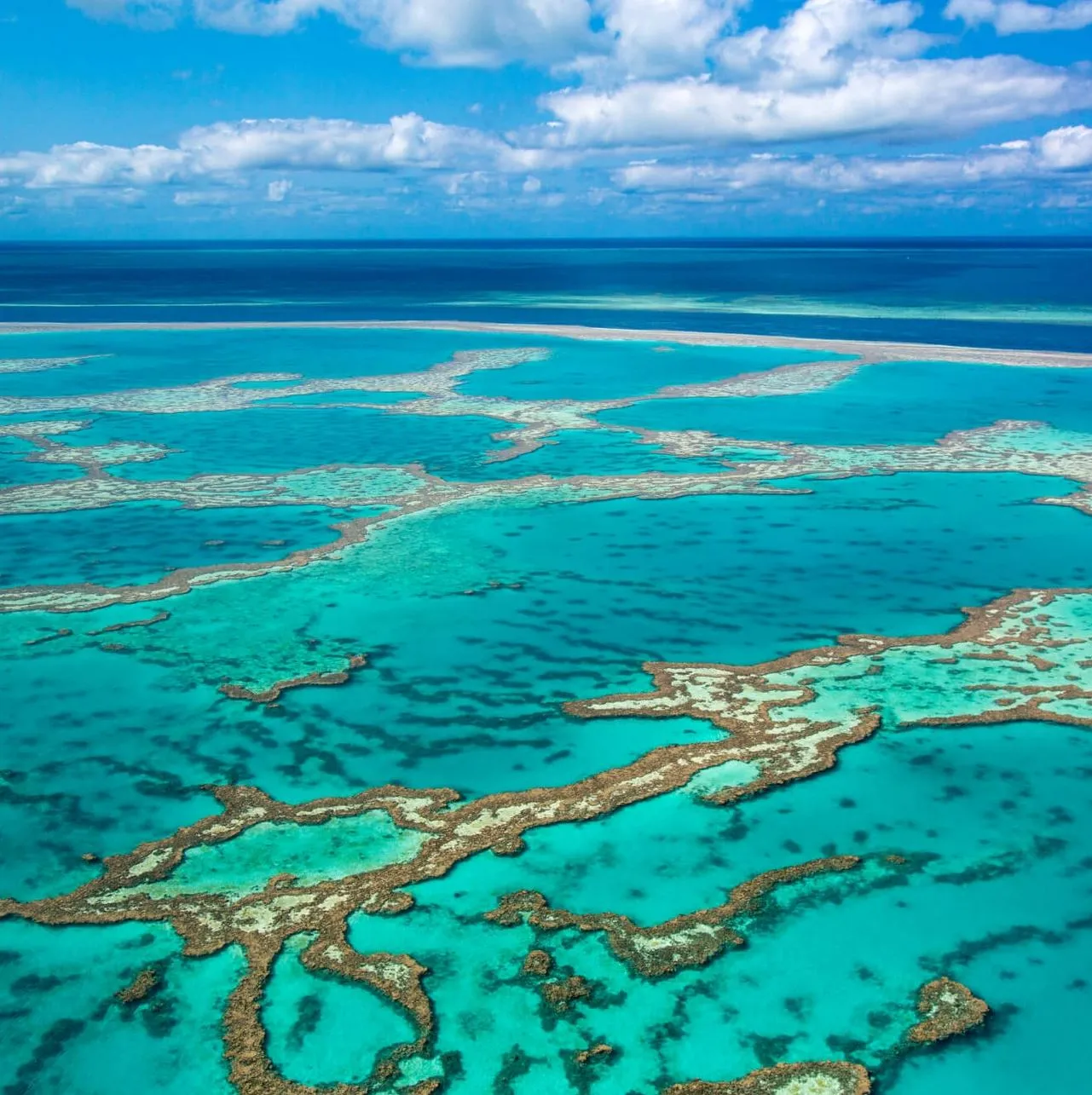
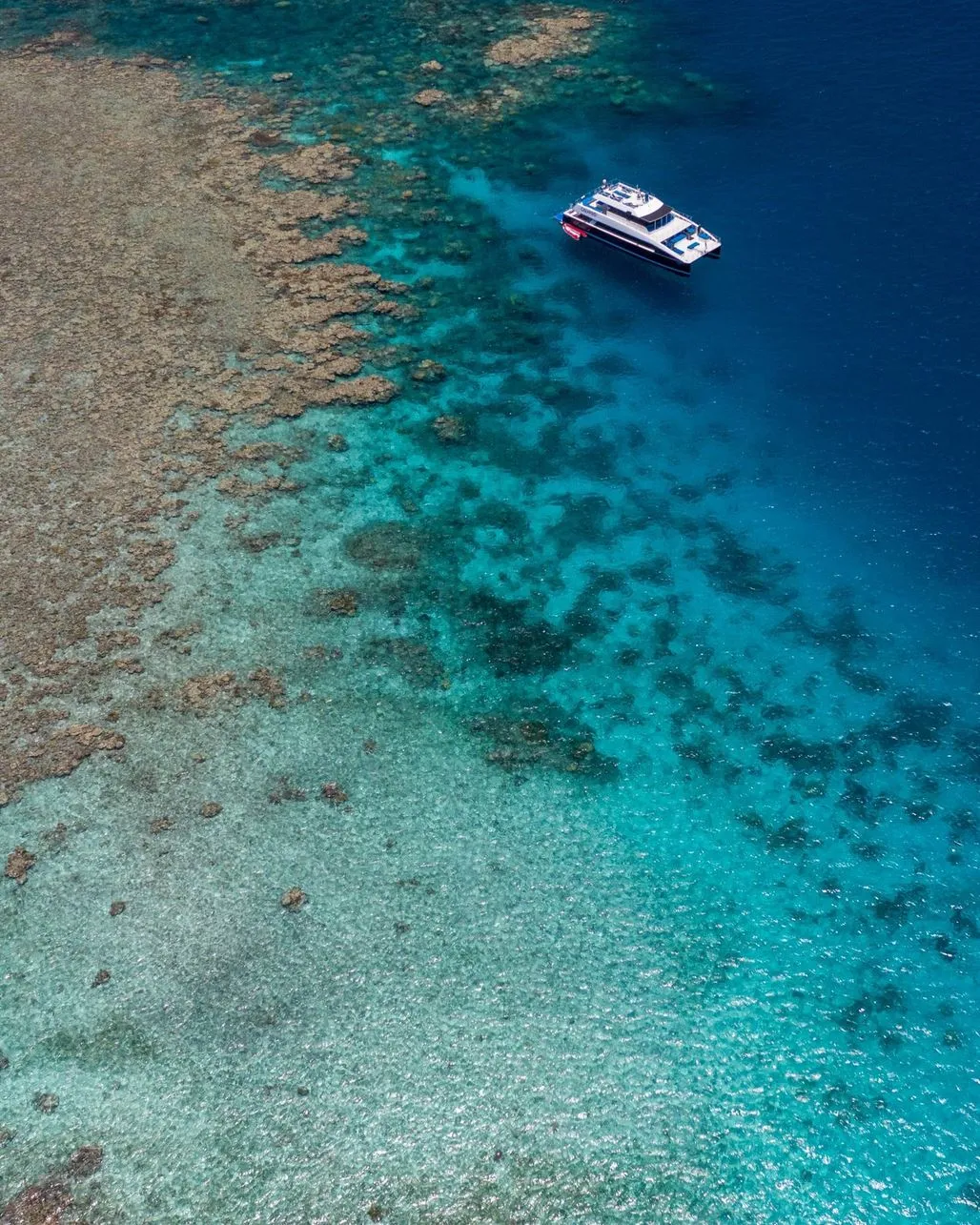
When I first dived the Great Barrier Reef off Cairns, I was a nervous wreck – literally green around the gills – the chop had me clinging to the side of the boat like a possum in a storm. But once you actually get in that water, all the queasiness just melts away. Thousands of coral species shimmer beneath the surface like a confetti explosion under the waves. It’s the ultimate place to go scuba diving with sea turtles, reef sharks and rainbow fish.
The Seychelles – now that’s a totally different ball game, though – slow pace, warm tides, vanilla plantations and massive granite boulders straight out of a fantasy film. Where the Reef feels like a wild frontier, the Seychelles feels like a Sunday afternoon snooze. So which one feels better? Well, it depends on whether you’re after an adventure or just plain relaxing, I reckon.
If you’re heading to Queensland, I’ve got a tip – check out some of the Great Barrier Reef Tours that run out of Cairns, Port Douglas and Airlie Beach – they’re the key to experiencing the outer reef without the crowds.
The Reef Experience: Aussie as it gets
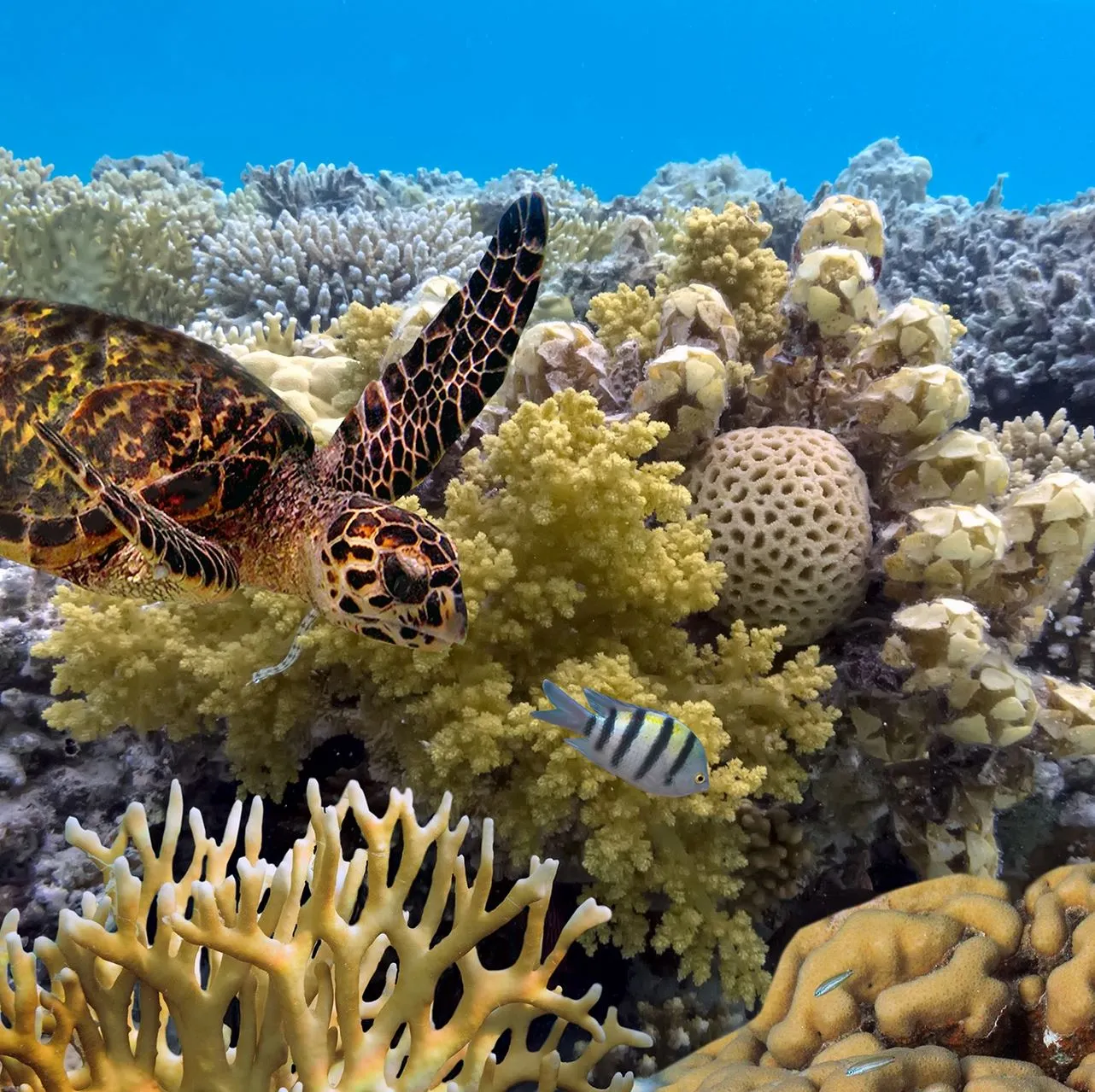
Australia’s Great Barrier Reef is the world’s most extensive coral reef system, spanning 2,300 kilometres from Bundaberg to Cape York. It’s visible from space, but you only really get a taste of the magic when you’re underwater. Each region has its own personality – Cairns is lively and party-central, the Whitsundays are picture-perfect postcards, and Port Douglas is a bit upmarket with its reef-meets-rainforest combo.
Why the Reef Feels Alive
- Biodiversity: Over 1,500 fish species, 400 different types of coral, and a whole lot of sea turtles
- Adrenaline factor: Drift dives, liveaboards and those crazy outer reef expeditions
- Access: Reef trips run every single day from the major coastal hotspots – it’s super easy to just rock up and join in.
What I love most about the Reef is that it’s not all sugar-coated and perfect – you’ll see coral bleaching scars – the result of rising sea levels and global warming and all that. Still, you also get to see the regrowth, the reef conservation projects and the marine scientists out there collecting data. It’s the real deal, not some rehearsed tourist trap, and it’s a living classroom for anyone who actually cares about marine conservation.
Best Times to Buy a Ticket
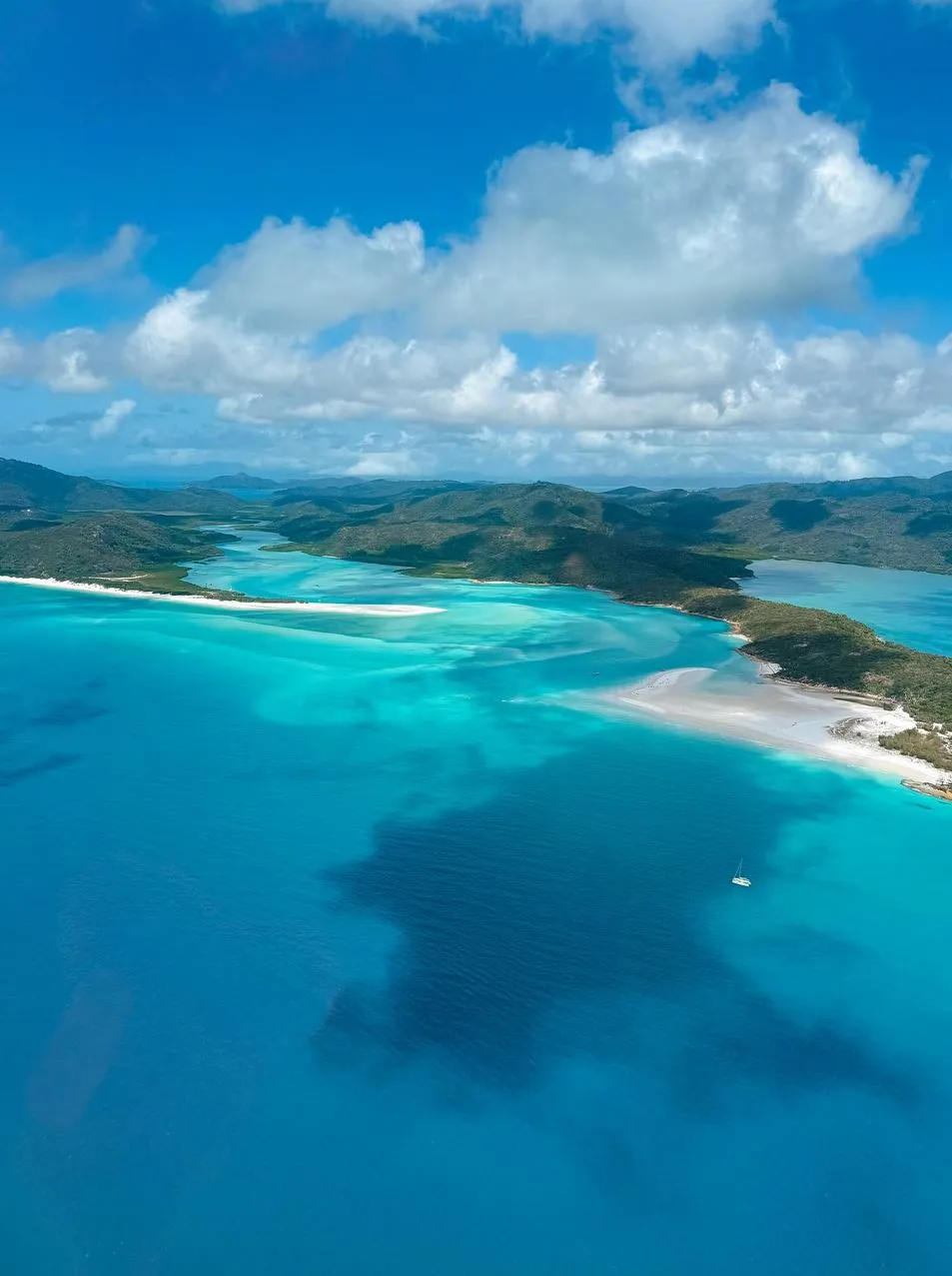
- May-October: The dry season – good visibility, calm seas and fewer jellyfish
- November-April: Hot, humid and of course – jellyfish season in the north – don’t forget your stinger suit!
When I last led a small-group tour in the Whitsundays with Get Lost Travel Group, we anchored off Hook Island. Dawn rolled around, and the water was so still it looked fake. Ten minutes later, a squall rolled in from the Coral Sea and drenched us to the bone. That’s the Reef for you – unpredictable, raw, utterly unforgettable.
Loads of travellers book Great Barrier Reef trips just so they can snorkel or scuba dive through coral gardens, spot sea turtles meandering along – a truly unforgettable Aussie experience.
Seychelles: Smooth Sailing in the Indian Ocean
If you’re looking for the sophisticated cousin – the one that’s always dressed to impress in linen and never seems to sweat – the Seychelles is it. Set 115 islands off Africa’s east coast, this archipelago is where the Indian Ocean comes alive with all the flair of France and the rhythms of Creole vida.
On the cards are picture-perfect beaches – pure white sand as fine as flour – but the real showstopper is just how effortlessly it all comes together. Ferries run on schedule, the locals are very friendly, and the seafood is excellent. You might even find the hardest part of your day is deciding whether to go for grilled parrotfish or a dip in the pool.
What Makes Seychelles So Special
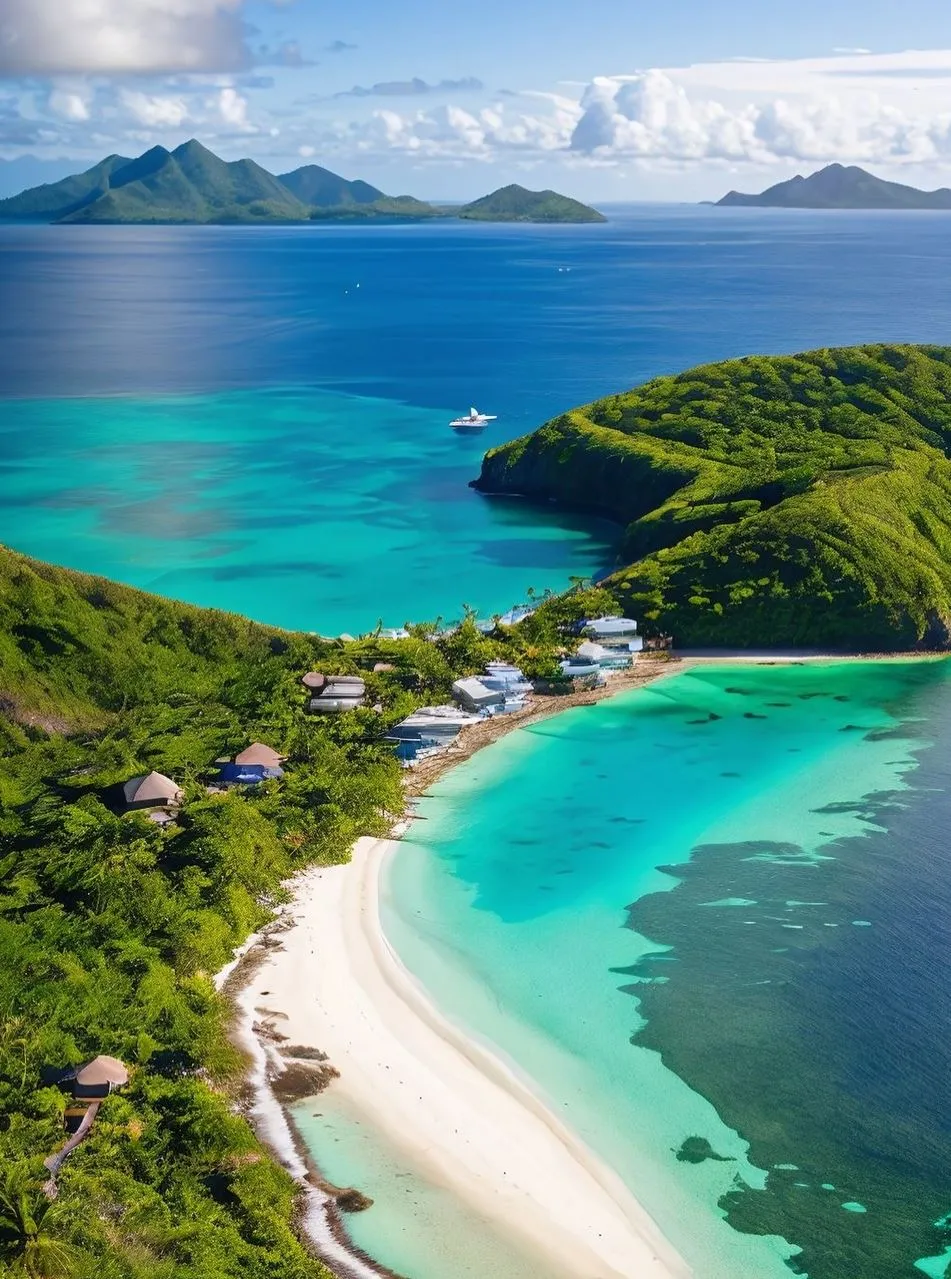
- We like how easy it is to hop from island to island – distances are short, and travel isn’t a hassle.
- Wildlife is another major draw – think Aldabra giant tortoises, those beautiful black parrots, and coral reefs that are still recovering from the impact of climate change.
- Then there’s the way a mix of African, European and Asian influences has created this uniquely rich cultural scene, evident in the food, music and architecture.
On the Reef, you get a sense of adventure; on Seychelles, it feels like you’re finally taking a breath out. This place is all about luxury – but in a genuinely down-to-earth way – even if your wallet will be feeling the pinch.
Cost & Comfort Comparison
Here’s a quick rundown of how the two stack up in the travel stakes, based on 2025 average prices…
| Feature | Great Barrier Reef (Australia) | Seychelles (Indian Ocean) |
|---|---|---|
| Accommodation (mid-range/night) | AUD 180–250 | AUD 300–450 |
| Average reef/snorkel tour | AUD 180–230 | AUD 250–350 |
| Dining (2-course meal) | AUD 50–70 | AUD 70–100 |
| Best months for travel | May–October | April–October |
| Wildlife diversity | Extreme — coral, fish, turtles, sharks | High — birds, tortoises, marine life |
| Ease of access | Domestic flights & boats | Long-haul, multi-leg flights |
| Overall vibe | Adventurous, hands-on | Relaxed, romantic |
Prices rounded to Australian dollars. Costs can vary depending on exchange rates. All the figures are based on 2025 data from Tourism Australia & Seychelles Tourism Board.
The Feel Factor: Adventure vs Ease
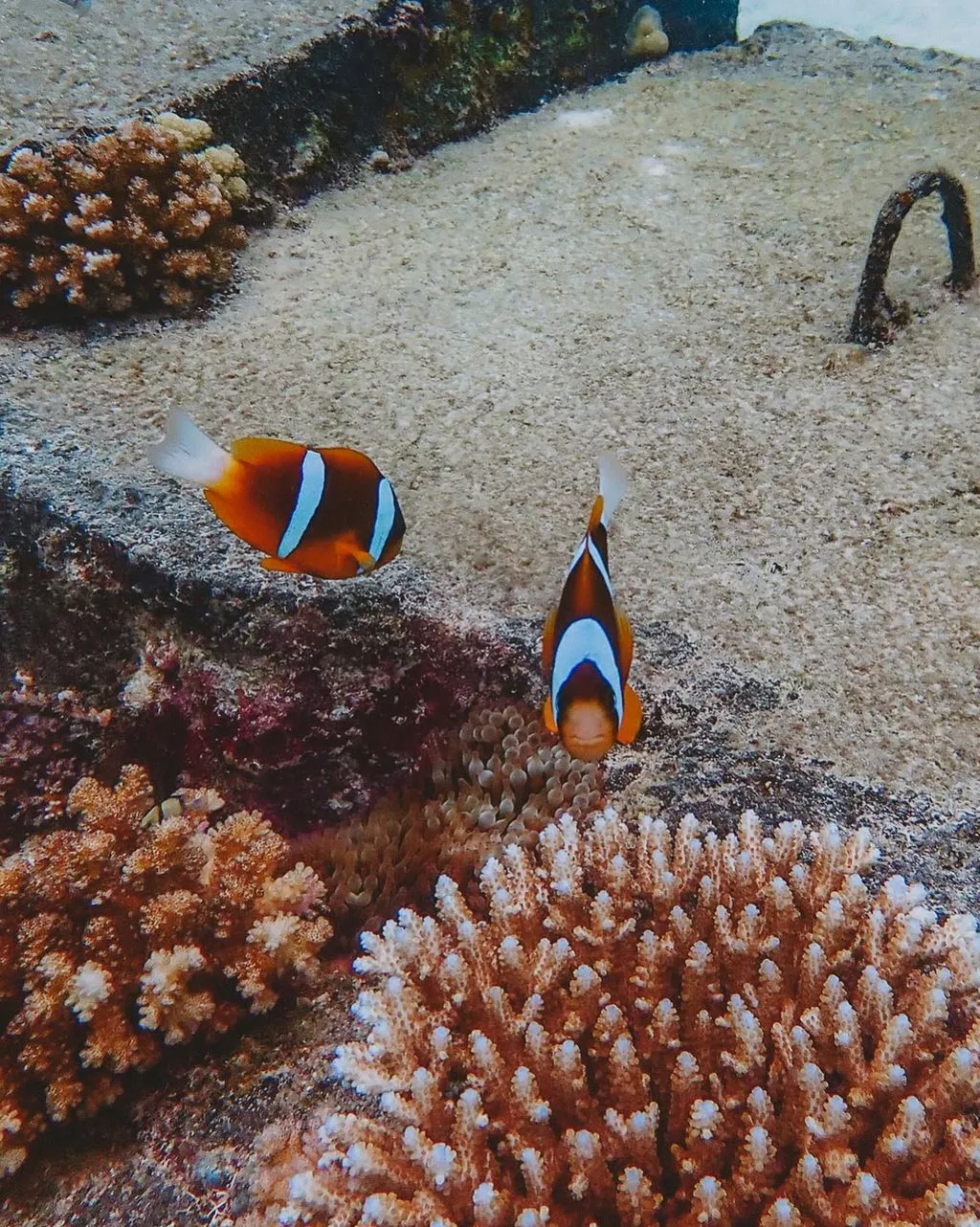
Floating over Agincourt Reef, 60 k’s off Port Douglas, and you get this unmistakable buzz – like you’re part of something that’s been around for a gazillion years, and is still massive today. Parrotfish crunching coral below, a turtle drifts by, and the sea is humming like a live power line. It’s just too much for your senses to handle.
In Seychelles, it’s the complete opposite – you just stroll barefoot on Anse Lazio beach, the sound of the waves gently slapping the shore, and a local fisherman fixing his nets nearby. There’s no great rush to do anything except exist. It’s a perfect place to land and recharge.
So which one’s better for you?
If you’re after:
- A real adrenaline rush and the thrill of discovery: The Great Barrier Reef has got this one covered.
- Romance & relaxation: Seychelles is the obvious choice.
And if you’re like me, stuck in the middle, not sure if you want thrills or a chill-out, then maybe it’s not about picking one, but about timing the whole thing right.
Sustaining the Planet – Who’s Doing It Better?
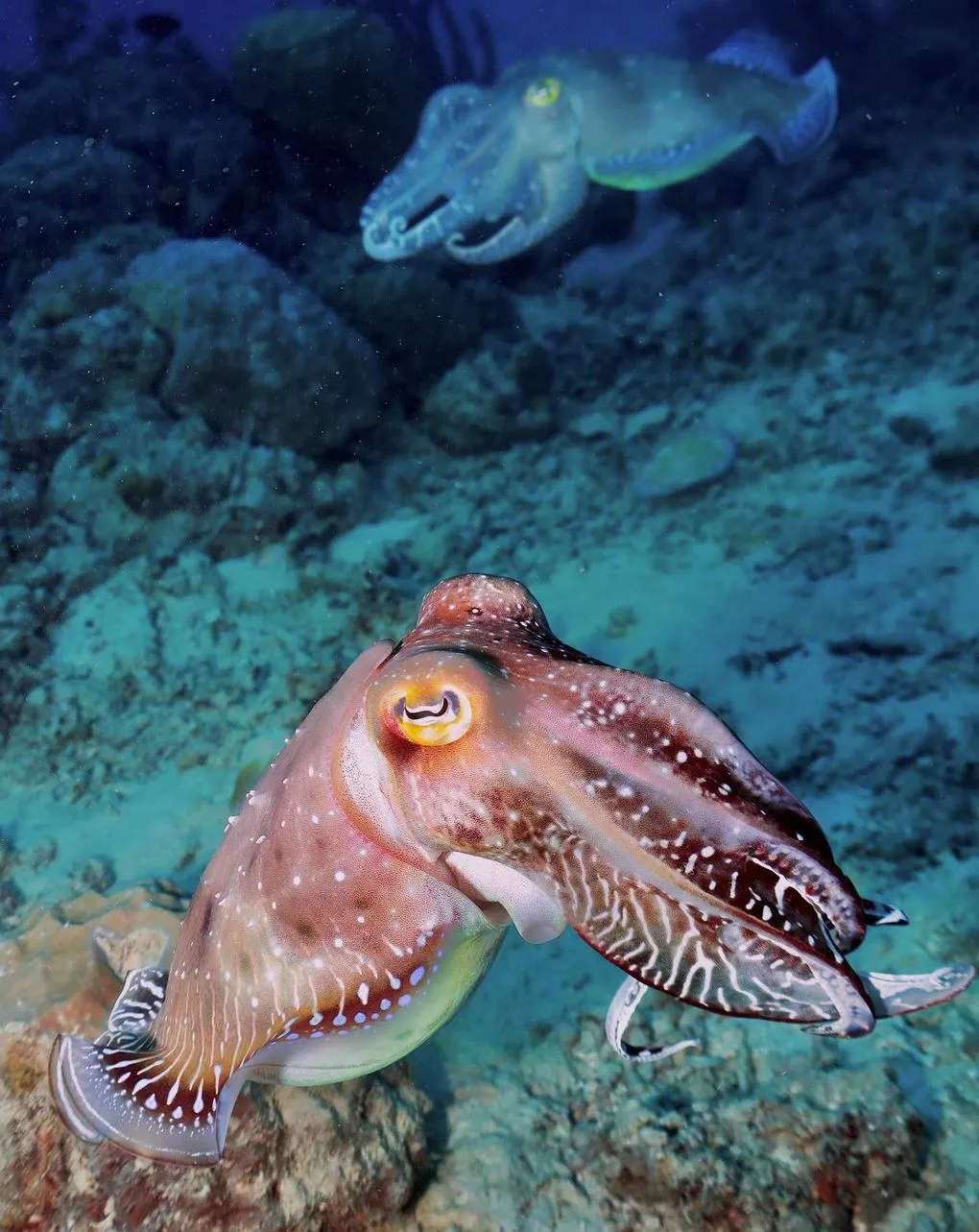
Both destinations are beginning to grapple with the harsh realities of climate change, beach erosion, and global warming. But their response is worlds apart.
Great Barrier Reef Efforts
- The Australian Institute of Marine Science and some local operators are working on reef restoration projects.
- The Eye on the Reef programme enables travellers to contribute to coral health monitoring by serving as dedicated citizen scientists.
- Tour operators have visitor capacity limits and can obtain eco-certification.
Seychelles – A Different Approach
- More than 40% of the area is designated as protected land.
- They’ve implemented strict rules to ban plastic bags and limit fishing.
- Plus, they’re focusing on low-volume, high-value tourism – it’s fewer visitors but more revenue.
Marine scientists on both sides are addressing the same issues: the melting of glaciers, which is raising sea levels; coral bleaching events that are fundamentally changing ecosystems; and efforts to ensure the long-term health of coral reefs.
When you take a tour of the Great Barrier Reef, you’re not just going sightseeing – you’re chipping in to support conservation and contributing to ongoing climate research.
The Local Feel: Who You’ll Meet
Up in Far North Queensland, you’ll be rubbing shoulders with the locals – gruff but loveable dive instructors, proud traditional owners and retired folk who’ve been cruising round the coast for years. Locals will greet you with a “G’day” and ask your name – before probably inviting you to join them for a beer down at the marina.
In Seychelles, the atmosphere is a bit more relaxed. Locals speak a mix of Creole, English and French, and you’ll probably hear some reggae drifting from the beach bars. The people are friendly but a bit private – you’ll get a friendly nod rather than a hug.
Both cultures are deeply connected to the sea – for one, it’s through stories and legends of the Dreamtime and the reef, for the other, it’s generations of island fishing traditions. You’ll also find plenty of dolphin and whale watching trips on both coasts – a reminder that the oceans are more than a playground – they’re what keep us going.
Planning Tips: Choosing the Trip That’s Right For You
When you’re weighing your options and having trouble deciding between the two, here’s what to think about:
If you’re after something that’s a bit of a no-brainer, go with the Great Barrier Reef if:
- You can get flights to Cairns or Townsville pretty easily and quickly
- You’re up for some action – snorkelling, sailing, and hiking in the Daintree are all on the cards
- You’re looking for some budget-friendly options, but also don’t mind splashing out when you want to treat yourself
- You’ll be supporting a good cause by contributing to Aussie Reef conservation efforts
On the other hand, if you’re after a laid-back island getaway, Seychelles might be the better option when you want to:
- Bask in some warm, reliable weather all year round
- Unwind in a romantic resort with all the trimmings
- Explore a bunch of different islands without getting too stressed about it
- Dive into a super-rich and intense cultural and culinary scene
Some Quick Reminders to Keep in Mind
- Make sure your travel insurance covers you for diving – you don’t want to be stuck with a costly medical bill.
- Don’t even think about using any old sunscreen on the reef – the oxybenzone in it is doing some severe damage to the coral.
- If you’re travelling to Seychelles, book ferry transfers well in advance (especially if you’re travelling in July or August).
- If you’re out on the water, remember to respect the local marine rules – no touching the coral or feeding the fish.
Which Feels Better to Visit
After two whole decades on the road and a few more on the water, I think I can finally say which destination I’d give the edge to. And after all that, it’s the Great Barrier Reef that grabs my heart every time. It’s not always easy, but you’ll never forget it. The salty air, the crashing waves and that first moment you catch sight of a green turtle – that just stays with you long after your tan has faded to nothing.
Seychelles is no doubt a stunner, but the Reef feels alive and buzzing – you know what I mean? And that’s totally in line with the Aussie traveller – we don’t do pampering. We want you to get your feet in the sand, put your heart on your sleeve, and have your perspective blown wide open.
If you’re heading north, then you have to go for a visit – we do small group tours from Cairns, Port Douglas and the Whitsundays. The kind of tours where you actually get to meet the ocean, rather than just snapping a photo. And if you want to know more about that ocean, then we’ve got trips that’ll get you diving in – from beginner snorkels right through to advanced scuba dives.
FAQ
Is the Great Barrier Reef still worth visiting after all the coral bleaching?
Yes, it is. I know some coral has been affected by global warming, but many parts of the reef are bouncing back. And the good news is that tour operators these days are much more careful – low-impact trips and reef-safe practices are the way to go.
Can you swim year-round in the Reef?
Technically yes, but do yourself a favour and chuck on a stinger suit between November and April – don’t want you running into those box jellyfish in northern Queensland.
Are Seychelles beaches public or private?
Big news – most of the beaches are actually public, even the ones near the fancy resorts. Please monitor access paths and comply with local rules and regulations in conservation zones.
Is Seychelles safer than Australia for solo travellers?
I reckon both places are pretty safe, but Seychelles is just a bit smaller and quieter. Just keep your valuables under wraps and follow the local advice, and you’ll be fine.
Which is better for families: the Reef or the Seychelles?
The Reef is probably the best bet if your family loves getting out there and doing things – all the marine centres and glass bottom boats and coral gardens and all that. But if you want something a bit more chill, then Seychelles is a good choice – just be aware that it’s a bit easier to organise the logistics.